Every Street Sign in Your City Is a Clue Nobody's Bothering to Read
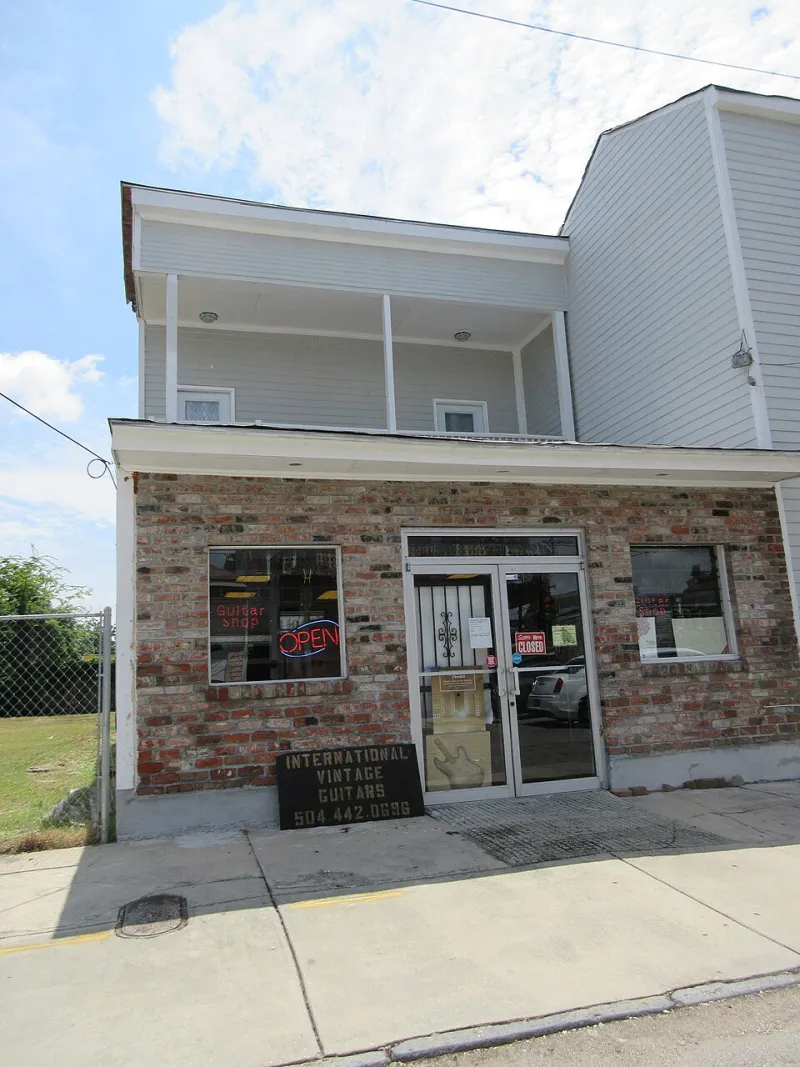
Photo: Infrogmation, CC BY-SA 4.0, via Wikimedia Commons
You've driven down Millbrook Avenue or cut through Chandler's Ferry Road so many times that the names have stopped meaning anything. They're just directions now. Turn here. Merge there. But pause for a second and actually look at those signs — because buried in those two or three words is a story your city has been trying to tell you for decades, sometimes centuries.
Street names are the oldest form of local storytelling we've got. And almost nobody reads them anymore.
The Name Came First. Everything Else Came Second.
Here's something most people don't realize: in a lot of American cities, streets were named before the neighborhoods around them were fully built out. Developers, city planners, and early settlers slapped names on roads as a way of staking claim, honoring someone important, or just describing what was literally there at the time.
That's why you'll find streets named after mills that burned down in 1887, creeks that were paved over in the 1950s, and farmers whose land was subdivided long before your grandparents were born. The road outlasted the reason for its name by generations. And now you're just driving over a ghost.
Take a city like Cincinnati, where streets named after early landowners like Symmes and Ludlow still carve through neighborhoods that have completely transformed since those families walked the earth. Or consider how many American cities have a "King Street" or "Queen Street" that dates back to colonial-era deference to the British crown — a name that somehow survived the Revolution and every subsequent reinvention of the city around it.
The People Who Got Immortalized (And the Ones Who Got Edited Out)
Some street names are straightforward tributes. A city council votes to honor a local hero, a beloved mayor, or a civil rights leader, and a street gets renamed in a ceremony that makes the local paper. Clean. Documented. Easy to trace.
But a lot of the older names? Way murkier.
Many streets were named after the largest landowner in the area at the time of platting — basically whoever owned the most dirt when the city was drawing its first maps. That person may have been a Revolutionary War veteran, a merchant, a politician, or just someone who got to the territory early enough to claim a big chunk of it. Their name went on the road, and it stayed there long after everyone forgot why.
Then there's the flip side: the names that got quietly removed. Cities across the country have been revisiting street names that honored Confederate generals, colonial figures with troubling legacies, or individuals whose reputations didn't survive historical scrutiny. Some of those renamings made headlines. Others happened with so little fanfare that most residents didn't notice until they had to update their mailing address.
Both directions — honoring and erasing — tell you something real about what a community valued at a particular moment in time.
The Weird Ones Are the Best Ones
Not every street name is a solemn historical tribute. Some of them are just... odd. And those are the ones worth digging into.
Across the US, you'll find streets named after one-time local jokes that somehow became permanent. There are roads named after the guy who donated the land on the condition that his name appear on the plat. Streets that were supposed to be named one thing but got misspelled by a clerk and the error was never corrected. Entire subdivisions where a developer clearly ran out of ideas and started naming cul-de-sacs after their kids.
In some older American cities, you'll find streets with names that were directly translated — or badly mangled — from Indigenous place names, French colonial terms, or Spanish land grant descriptions. The original meaning got garbled through decades of mispronunciation and phonetic respelling until what's left barely resembles the source. But if you track it back, you find a whole layer of history that predates the city itself.
How to Actually Dig Into This Stuff
The good news: this kind of local history is more accessible than you might think. You don't need a PhD or a research budget. You need a few free afternoons and a willingness to poke around.
Start with your city or county recorder's office. Plat maps — the original documents that laid out city blocks and named streets — are public records in most jurisdictions. Many have been digitized and are searchable online. A plat map from the 1870s or 1880s will often show you the original street name alongside the name of the person who filed the plat.
Check your local library's historical collection. City librarians are wildly underrated as local history resources. Most branches with any tenure have collections of old city directories, newspaper archives, and local history books that can fill in the gaps between the plat map and the present.
Search old newspaper archives. Sites like Newspapers.com and the Library of Congress's Chronicling America project have digitized millions of pages of historical American newspapers. Search for a street name alongside your city's name and see what comes up. You'd be surprised how often you'll find the original naming announcement, a controversy about a rename, or an obituary for the person the street was named after.
Talk to longtime residents. Oral history is real history. The older folks in your neighborhood may remember when a street was renamed, or have stories handed down about who the original namesake was. That kind of knowledge doesn't always make it into official records.
The Commute You've Been Taking for Granted
Here's the thing about street names: once you start looking at them as historical artifacts instead of navigation tools, your whole relationship with your city changes a little. That turn you've made a hundred times on the way to work isn't just a turn anymore. It's a small act of traveling through time.
The city you live in didn't materialize out of nowhere. It was built — physically and culturally — by specific people making specific decisions, and those decisions left marks everywhere. Street signs are some of the most visible marks they left.
So next time you're sitting at a red light on some road you've never thought twice about, actually read the sign. Then go find out what it means. There's a decent chance the story is a lot more interesting than you'd expect — and it's yours, because it's your city.
That's what City543 is about, really. The stuff that's been here the whole time, just waiting for someone to notice.