The Gathering Places That Actually Hold Your City Together
Photo: Unknown authorUnknown author, Public domain, via Wikimedia Commons
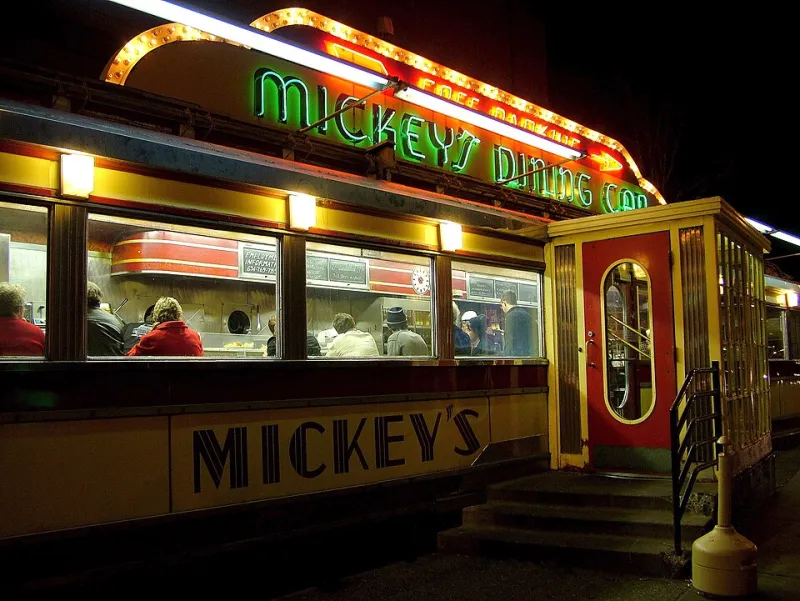
Somewhere between your morning commute and your Netflix queue, there's a room with mismatched chairs, the smell of something good brewing, and a bartender or barista who already knows your order. Maybe it's a coffee shop tucked behind a laundromat. Maybe it's a used bookstore that somehow smells like 1987 in the best way. Maybe it's a dive bar where the same six people have been occupying the same stools since the neighborhood looked completely different.
These are your city's third places — and urban researchers, community organizers, and regular people who just want somewhere to belong are all saying the same thing right now: they matter more than ever.
What Even Is a Third Place?
The term was coined by sociologist Ray Oldenburg back in the 1980s, but the concept is older than cities themselves. First place is home. Second place is work. Third place is everything else — the informal, low-pressure, come-as-you-are environments where people gather without an agenda.
For a long time, American city planning kind of forgot about them. Strip malls, drive-throughs, and the general car-centric sprawl of suburban development pushed people into their houses and their cars and not much in between. But something has been shifting. Especially in the years since the pandemic reshuffled everyone's sense of where they want to spend their time, third places are having a genuine moment.
Independent coffee shops are opening in neighborhoods that haven't had a real gathering spot in decades. Bookstores — yes, actual physical bookstores — keep popping up despite everyone's predictions. And neighborhood bars, the kind where you can show up alone and leave with three new acquaintances, are filling in the gaps.
The Owners Who Get It
Talk to the people running these places and you'll notice something pretty quickly: the ones whose shops actually become community institutions aren't really thinking about coffee or books or cocktails first. They're thinking about people.
"I always say we're in the hospitality business, not the coffee business," said one owner of a corner café in a mid-sized Midwestern city who's been running her spot for nearly a decade. "Anyone can learn to pull a good shot. What you can't teach is genuinely caring whether someone has a good day."
That philosophy shows up in the details. Regular customers get remembered by name. Community bulletin boards stay actually current instead of buried under six-month-old flyers. Local artists get wall space. The WiFi password is on a chalkboard, not a secret. Small choices, but they add up to an environment that signals: you're welcome here, and you can stay a while.
The contrast with chain establishments isn't just aesthetic — it's structural. A corporate coffee chain is optimized for throughput. Get people in, get them their drink, get them out. A neighborhood third place is optimized for something harder to measure and infinitely more valuable: the feeling that you belong somewhere.
Which Neighborhoods Are Leading the Charge
Not every part of every city is seeing this equally. The third place revival tends to cluster in a few specific types of neighborhoods.
Older, walkable urban cores that maybe got a little rough around the edges but never fully gentrified are often fertile ground. Rents are (relatively) manageable, foot traffic is organic, and there's an existing community hungry for somewhere to gather. You'll also see it in neighborhoods experiencing the early stages of revitalization — where a single brave independent operator opens shop and suddenly becomes the anchor that draws everything else.
College towns and university neighborhoods have always had a healthy third-place culture, but what's interesting now is how that energy is spreading into surrounding residential areas as younger residents age into different life stages and still want that same sense of informal community.
The trickier terrain is the suburbs and newer developments, where the physical infrastructure — wide roads, parking lots, low density — actively works against the casual drop-in culture that makes third places function. Some operators are trying to crack that code anyway, and a few are succeeding, but it takes real intentionality.
What Makes One Place Stick and Another Disappear
For every beloved neighborhood bar that's been around for thirty years, there are three that opened with great Instagram aesthetics and closed within eighteen months. So what's the actual difference?
The regulars will tell you: consistency. Not just in the product, but in the people. A third place that works has staff who stick around long enough to learn your face. It has an owner who's actually present, not just running numbers from a laptop somewhere else. It has rhythms — the Tuesday trivia crowd, the Saturday morning parents, the after-work Thursday crew — that create a sense of predictable community.
Location matters, but maybe not in the way you'd think. Some of the most beloved third places are genuinely hard to find. They're not on the main drag. They don't have great parking. But the people who discover them feel like they've found something, and that sense of discovery creates loyalty that a perfectly positioned chain location never generates.
Price accessibility is also real. A third place that prices out half the neighborhood isn't actually a community anchor — it's a private club with a public-facing door. The spots that last tend to have something for everyone: the $3 drip coffee alongside the $7 latte, the happy hour that actually runs until 7, the free community events that don't require buying anything to attend.
Why This Matters Beyond Just Having a Nice Place to Hang Out
Here's the thing about third places that doesn't always make it into the lifestyle articles: they're actually a public health issue. Loneliness in American cities has been climbing for years, and the downstream effects — on mental health, on civic engagement, on the basic willingness to give a damn about your neighbors — are measurable and serious.
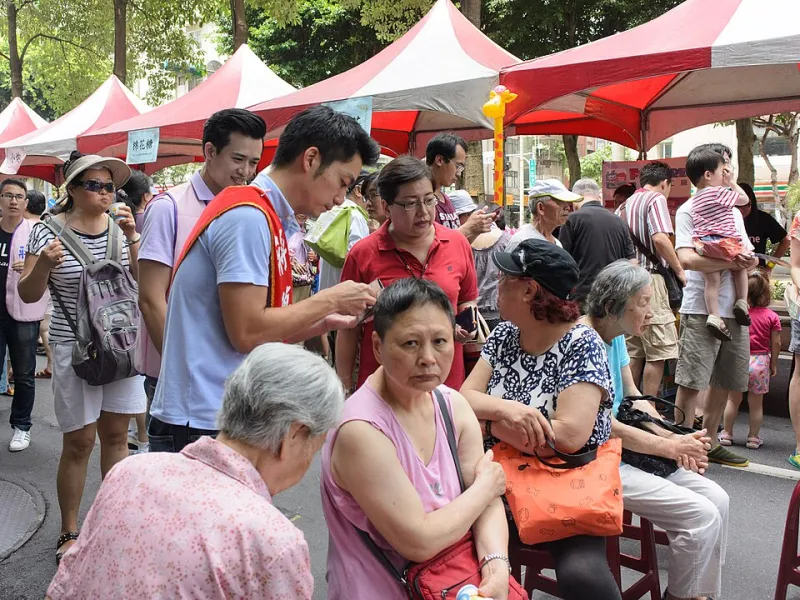
Neighborhoods with strong third-place cultures tend to be more resilient. When something goes wrong — a local business closes, a community member needs help, a neighborhood issue needs organizing around — the people who've been sitting next to each other at the coffee counter for two years mobilize faster and more effectively than strangers who've never shared a space.
That's not an accident. It's exactly what these places are for.
So next time you're deciding between the drive-through and the independent spot three blocks over, consider it a small act of civic participation. Pull up a stool. Learn the bartender's name. Stay a little longer than you planned.
Your city is built from those moments, one mismatched chair at a time.