Your City Has a Secret Calendar — And Locals Have Been Following It for Years
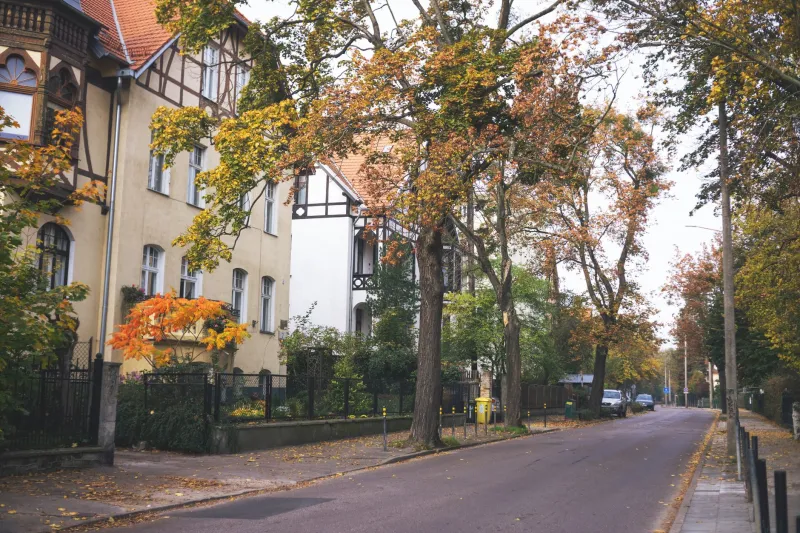
Somewhere between the first genuinely warm Saturday in March and the last outdoor concert of September, a city quietly becomes itself again. Not the version that shows up in travel guides or gets tagged on Instagram by people who flew in for the weekend — the real one. The one that smells like corner bakeries and cut grass and that one block downtown where they're always doing construction.
Long-term residents don't need a calendar for any of this. They just know.
The Shift Nobody Announces
There's no press release when the regulars start showing back up at the neighborhood park. No push notification when the patio at that cash-only bar on the east side quietly unstacks its chairs for the season. These things just happen, and if you've been around long enough, you feel them coming the same way you feel a storm rolling in.
Seasonal migration — not the snowbird kind, but the hyperlocal kind — is one of the most underappreciated dynamics in American city life. In colder climates, entire social ecosystems hibernate. The Thursday night trivia crowd at the neighborhood dive thins out around Thanksgiving and doesn't fully reconstitute until mid-February, when people are desperate enough for human contact to brave the cold again. In warmer cities, the rhythm flips: summer drives people indoors, and the best community energy often surfaces in October and November, when the heat finally breaks and everyone remembers they actually like going outside.
Tourists and newcomers almost always miss this. They show up in peak season, hit the obvious spots, and leave thinking they've got the full picture. They haven't even seen the rough draft.
How Neighborhoods Breathe
Every neighborhood has its own seasonal personality, and they don't all sync up. The arts district might peak in fall when gallery openings cluster together and foot traffic is thick on Friday nights. The waterfront neighborhood could be a zoo in July but genuinely lovely — and genuinely local — in late September when the boat traffic dies down and the restaurants stop having hour-long waits.
Real locals know which version of a neighborhood to visit and when. They know that the Saturday morning market in the warehouse district is worth the parking headache in May but turns into a tourist trap by July Fourth weekend. They know the bookstore on the corner does a quiet winter reading series that never gets promoted online, and that the diner two blocks over runs a soup special starting the first week of November that regulars have been ordering since before smartphones existed.
This is the hidden seasonality that defines authentic city life — not just what's happening, but when the right people are there to make it worth showing up for.
The Unwritten Festival Calendar
Every city has official events — the ones with sponsors and porta-potties and wristbands. But layered underneath that is a whole parallel calendar that locals maintain through collective memory and word of mouth.
There's the neighborhood block party that technically has no name and never gets listed anywhere but has been happening on the same street every August for fifteen years. There's the informal gathering at the park after the last home game of the season — not a tailgate, not an event, just a thing that happens and that everyone who's been here long enough knows about. There's the Sunday morning in late April when the regulars at the coffee shop on Fifth all show up at the same time without planning it, because the weather hit that exact right temperature and everyone had the same instinct.
These aren't events. They're rituals. And they're the connective tissue of real community life.
Weather as Cultural Language
In a lot of American cities, weather isn't just weather — it's a shared social signal. The first day it breaks 60 degrees in February, every local knows to head to that one park, even if nobody said anything. The first hard frost means the rooftop bars are done and the basement cocktail lounges are back in rotation. A surprise warm spell in October triggers something almost Pavlovian: the patios fill up, the grills come out, and everyone acts like they're trying to squeeze out one last moment before the season changes for real.
Visitors experience weather as an inconvenience or a backdrop. Locals experience it as a cue.
This is especially true in cities with dramatic seasonal swings. In Minneapolis, the first truly warm spring weekend produces a kind of collective euphoria that has to be witnessed to be understood. In New Orleans, the moment summer humidity breaks in October, the entire city seems to exhale at once. These are real cultural events — they just don't have ticket links.
Timing Your City Like a Local
So how do you actually get plugged into this hidden calendar? Mostly, you pay attention and you talk to people.
The regulars at your neighborhood coffee shop know things. The owner of the hardware store who's been on that corner for twenty years knows things. Your neighbor who's lived in the same apartment for a decade definitely knows things. The seasonal rhythms of a city aren't secrets, exactly — they're just not written down anywhere. They live in conversation and habit and the kind of local knowledge that takes years to accumulate.
If you're newer to a city, the fastest shortcut is finding one genuinely rooted local and asking them a simple question: what's worth doing here that I'd never find on my own, and when? The "when" part matters as much as the "what." Showing up to the right place at the wrong time of year is like watching a theater performance from outside the locked front doors.
The city is always performing. You just have to learn to read the schedule.