Crowded Chaos vs. Empty Benches: What Your City's Parks Actually Tell You About Where People Want to Be

Photo by Photo by Ramneek Singh on Unsplash on Unsplash
There's a park in almost every American city that looks incredible in photos. Manicured paths, a photogenic fountain, maybe a little bridge over a creek. It shows up in travel guides, local tourism ads, and approximately ten thousand Instagram posts every spring. And on a Saturday afternoon in May, it is absolutely, completely, unavoidably packed.
Then, about six blocks away, there's another park. Smaller, maybe. Less polished. No fountain. But if you show up on that same Saturday afternoon, you'll find a handful of regulars playing dominoes at a concrete table, a couple of dogs sprinting across the grass, and maybe a grandmother watching her grandkids chase each other around a metal climbing structure that's been there since 1987. Nobody is taking photos. Nobody is fighting over a bench. And the people who know about it? They are not telling you.
That gap — between the park everyone performs at and the park everyone actually loves — says a lot about how cities work, and how real locals move through them.
The Instagram Park Problem
Let's be honest about what happens to a green space once it goes viral. It doesn't necessarily get better. It gets busier, which is different. Parking becomes a nightmare. The lawn gets worn down to patches of dirt by summer. Vendors set up nearby. Noise levels climb. The people who used to treat it like a neighborhood living room start looking for somewhere else to go.
This isn't a cynical take — it's just what happens when a space gets more demand than it was designed to handle. Urban planners call it "park pressure," and cities across the country are dealing with it as more people move into dense neighborhoods and outdoor space becomes a genuine premium.
The irony is that the parks getting all the attention often stop serving the people who made them worth visiting in the first place. The regulars migrate. The culture shifts. And eventually you've got a beautiful, well-photographed green space full of people who drove in from the suburbs to check it off a list — while the locals who actually built the park's identity have quietly relocated.
Where the Locals Actually Go
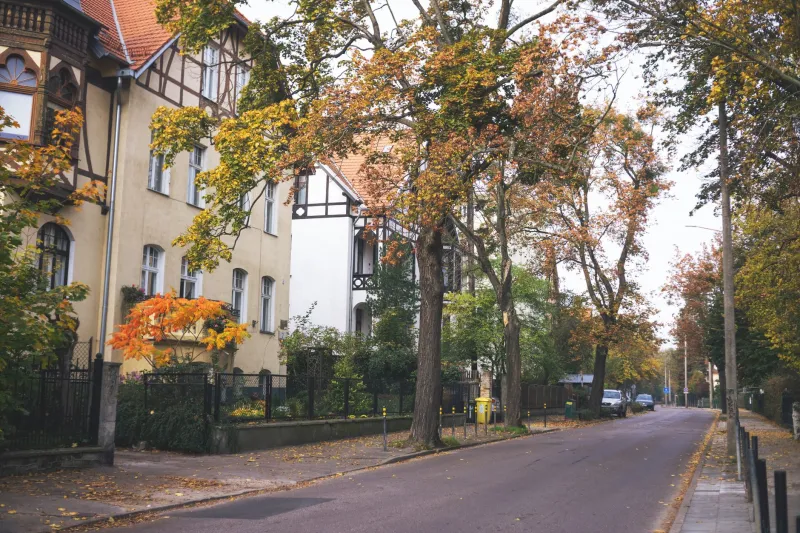
Ask a longtime resident where they spend their outdoor time and you'll almost never get the answer that shows up on a "best parks" listicle. You'll get a specific, slightly obscure answer. A neighborhood triangle park that's technically just a traffic median with some benches. A school field that's open on weekends and has better grass than the official city park two streets over. A strip of riverfront that the city hasn't fully developed yet, which means it's not on any maps but has a worn dirt path from years of foot traffic.
These places thrive because they're proportional to the people using them. A small neighborhood park with ten regulars feels alive and social. That same park with two hundred visitors feels chaotic and anonymous. Scale matters more than amenities when it comes to whether a space actually functions as a community gathering point.
Word-of-mouth is the gatekeeper here. Locals share these spots carefully, if at all. There's a real protectiveness around the places that haven't been discovered yet — a collective, unspoken agreement not to over-promote the good thing you've got going.
Seasonal Logic That Outsiders Miss
Another thing that separates locals from visitors: they know when to show up. Park culture is deeply seasonal, and not just in the obvious "it's cold so nobody's outside" way.
In most cities, the best park mornings happen in the shoulder seasons — late September, early April — when the weather is good but the crowds haven't caught on yet. The regulars know this. They've been going to the same park at 8 a.m. on a Tuesday in October for years, and it feels like a private club.
Summer weekends, meanwhile, are often when longtime residents abandon their favorite spots entirely. They've learned the patterns. They know which parks flood with out-of-towners on the Fourth of July, which ones get taken over by organized events every other Saturday, and which ones are genuinely peaceful on a Wednesday evening after work. That knowledge is earned over time, and it's not written down anywhere.
The Overlooked Gems Doing More Work Than You'd Think
Some of the most functionally important green spaces in American cities are also the least celebrated. Pocket parks — those small, sometimes oddly shaped parcels tucked between buildings or along transit corridors — often serve more daily users than their size would suggest. They're lunch break destinations. Dog walk stops. The place where the same four people sit every morning with coffee before heading to work.
These spaces tend to reflect their neighborhoods in ways that bigger, more designed parks don't. They're messier, less curated, and more honest. The plants are sometimes overgrown. The benches have been repaired with mismatched hardware. There might be a community bulletin board covered in flyers for things that already happened. But they're used, genuinely and consistently, by the people who live within walking distance.
That's actually the metric that matters most when you're trying to understand a city's park system: not which parks are the most famous, but which ones get used the most by the most people who live nearby. Those two lists barely overlap.
What It All Adds Up To
Your city's green spaces are a map of where people actually want to be — not where they're supposed to want to be, not where the tourism board points them, but where they genuinely show up, repeatedly, on their own time.
The parks that locals fight over aren't always the prettiest ones. They're the ones that fit the rhythm of the neighborhood — the right size, the right vibe, the right distance from where people actually live. And the parks that sit half-empty despite being technically beautiful? They usually got designed for someone else, or got popular in a way that pushed out the people who made them worth visiting.
Next time you're looking for somewhere to spend an afternoon outside, skip the top result on the city parks website. Ask someone who's lived in the neighborhood for ten years where they actually go. Then don't post about it.
The best parks in your city are the ones the regulars are still quietly protecting.