The Scuffed Diner vs. the Instagram Café: What Locals Actually Spend On Reveals Everything
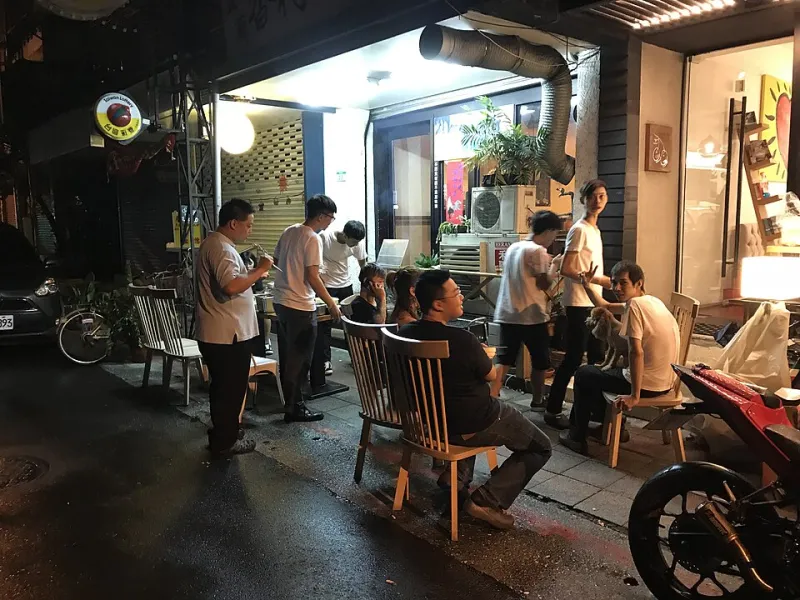
The new place on the corner has a neon sign, a six-word concept printed on kraft paper, and a line out the door every Saturday morning. The place two blocks over has a handwritten menu, a broken ceiling tile that's been broken for four years, and a parking lot full of the same cars every single day.
Guess which one the neighborhood actually depends on.
This isn't a screed against nice coffee or thoughtfully designed spaces. It's about something more interesting: the economic and cultural gap between where people perform their local identity and where they actually invest it. Those two things are rarely the same place, and the distance between them tells the real story of any American neighborhood.
The Loyalty Economy Nobody Talks About
Long-term residents operate on a loyalty economy that runs almost entirely outside the review-app ecosystem. It's built on consistency, familiarity, and a kind of unspoken mutual commitment between a business and its regulars that predates the concept of "brand loyalty" by several decades.
Think about the diner that's been on the same corner for thirty years. The owner knows your order. You know his kids' names. When he was sick for two weeks last winter, half the regulars checked in. That's not a transaction — that's a relationship. And that relationship is worth something that no amount of aesthetic curation can replicate.
This is why longtime locals often have a visible, almost allergic reaction to being told they should try the new place. It's not just habit or stubbornness. It's an understanding, often intuitive, that their continued patronage is a form of neighborhood maintenance. If they stop showing up, the place might close. And if the place closes, something irreplaceable goes with it.
What the Trendy Spot Is Actually Selling
Here's the thing about the Instagram café: it knows exactly what it's doing, and there's nothing wrong with what it's selling. A well-designed space, good music, reliable wifi, and a photogenic latte are real amenities. For people who are new to a city, or who work remotely, or who are visiting for the weekend, these places serve a genuine function.
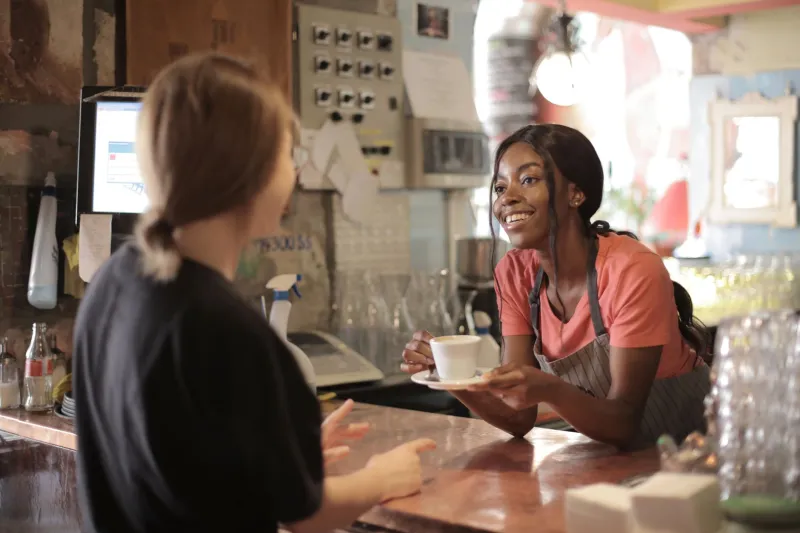
But they're selling an experience, not a community. The barista doesn't know your name. The playlist is designed to be inoffensive to a broad demographic. The menu changes seasonally to stay relevant, not because the owner had a grandmother with a great soup recipe.
None of that is a moral failing. It's just a different product. The problem comes when newcomers mistake the experience for the culture — when the trendy café becomes the lens through which they understand the neighborhood, rather than one data point in a much more complicated picture.
Real locals usually frequent both, actually. But they know the difference, and they know which one they'd mourn if it disappeared.
Generational Businesses and the Weight of History
Across American cities, the businesses that carry the most neighborhood history are almost never the ones getting written up in food media. They're the third-generation Italian deli in the old neighborhood that still hand-slices everything. They're the Black-owned beauty supply store that's been anchoring that block since the '80s. They're the Vietnamese sandwich shop where the family has worked every shift since they opened and the prices haven't changed in a decade.
These places carry something that no amount of startup capital can manufacture: context. They know what the neighborhood looked like before the condos went up. They remember which storefronts used to be what. They have regulars whose parents were regulars.
When a longtime local chooses to spend money at one of these spots over a newer alternative, they're often making a statement that they might not even be able to articulate. It's a vote for continuity. It's a small, repeated act of saying: this place matters, and I want it to stay.
The Unwritten Loyalty Codes
Spend enough time in any tight-knit neighborhood and you'll start to pick up on the unwritten rules around where you're supposed to spend your money — and where you're definitely not.
In some communities, patronizing a business owned by someone outside the neighborhood is quietly frowned upon, especially when a local alternative exists. In others, there's an unspoken hierarchy: you buy your coffee at the place that's been here the longest, you get your lunch at the family spot on the corner, and you only go to the chain when you absolutely have to and you don't tell anyone about it.
These codes aren't enforced — nobody's going to say anything if you take your laptop to the new spot with the good wifi. But they're real, and they shape the economic texture of a neighborhood in ways that are invisible to outsiders.
The regulars at the unglamorous breakfast counter aren't there because they don't know about the nicer place down the street. They're there because they made a choice, probably years ago, and they've been reaffirming it every morning since.
What Your Coffee Order Says About How Long You've Been Here
It sounds like a small thing, but where you get your morning coffee is one of the most reliable tells for how embedded you actually are in a neighborhood. The person who found the city through social media tends to gravitate toward the places that showed up in their feed. The person who's been here fifteen years tends to go to the place that was there before anyone was paying attention.
This isn't about being a snob in either direction. It's just a pattern, and it's a useful one for understanding how local identity actually forms. Community isn't built in the places that are designed to be welcoming to everyone — it's built in the places where the same people show up, again and again, until they know each other's names.
The scuffed diner with the broken ceiling tile isn't winning any design awards. But it's been the unofficial living room of that block for thirty years, and the people who drink their coffee there every morning know something about that neighborhood that no amount of online research will ever surface.
That's the real story. It's just not the one that photographs well.