The One Thing on Every Real Local's Calendar That Tourists Will Never Find
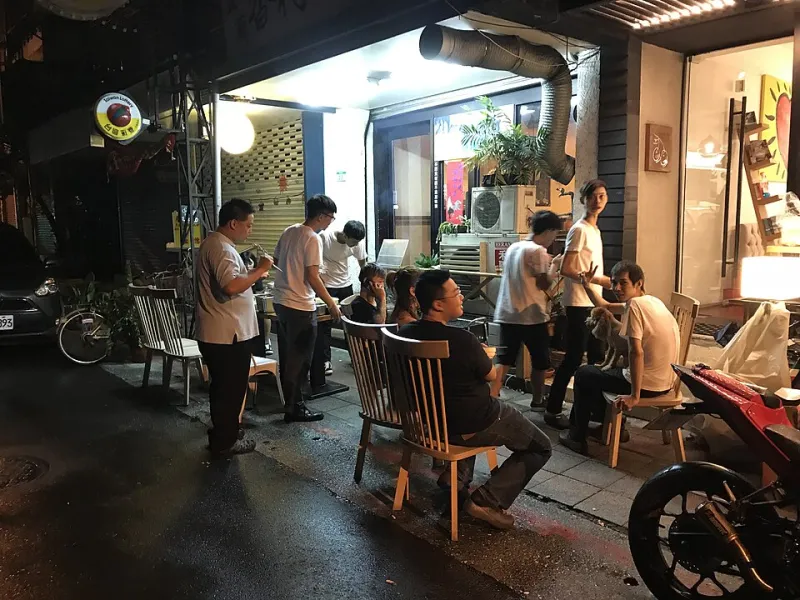
Photo: 玄史生, CC0, via Wikimedia Commons
Somewhere on your phone, buried under work reminders and dentist appointments, there's a date blocked off. You put it there without much thought because you've been putting it there for years. Maybe it's the third weekend of October. Maybe it's a Saturday in late April. Whatever it is, you don't need to look it up — you just know.
That's the event we're talking about.
Every city has one. It's not the big-budget festival that gets covered by national travel magazines or the downtown concert series that the visitors bureau plasters all over Instagram. It's the other thing. The one that doesn't need a publicity campaign because the people who care about it already know it's coming.
Why This Particular Kind of Event Hits Different
There's a real distinction between events that are for a city and events that are of a city. The former are produced and marketed — they exist to generate foot traffic, hotel bookings, and revenue. They're fine. Sometimes they're genuinely great. But they're designed for consumption, and you can feel that.
The events that are of a city are different. They grew out of something organic — a neighborhood tradition, a community need, a long-running inside joke that somehow became a civic institution. They don't have a major presenting sponsor. They might not even have a real website. But they've been happening for fifteen, twenty, thirty years, and the people who show up aren't doing it because a targeted ad told them to. They're doing it because their parents took them as kids, or because their neighbor mentioned it, or because they moved here five years ago and this is the event that finally made them feel like they belonged.
That's the one we're interested in.
What These Events Usually Look Like
They come in all shapes. In some cities, it's a neighborhood block party that's been running since the 1970s, anchored by a few families who've lived on the same street for decades and show up every year with the same folding tables and the same potato salad recipe. In others, it's a seasonal farmers market that transforms into a full community gathering every fall — the kind of place where people run into everyone they know and end up staying three hours longer than planned.
Sometimes it's a cultural celebration that's been maintained by a specific community within the city — a Lunar New Year parade that draws the whole neighborhood regardless of background, a Juneteenth festival that started small and became a cornerstone, a Greek festival or a Polish heritage day that's been quietly packed for four decades.
Occasionally it's something that sounds almost too specific to matter — an annual chili cook-off in a park, a neighborhood haunted house that's become genuinely legendary, a holiday lights display on one residential block that people drive from across the metro to see. The specificity is part of the point. These events aren't trying to be everything to everyone. They're trying to be exactly one thing to exactly the right people.
The Unspoken Rules of the Locals-Only Calendar
If you're new to a city and trying to find your version of this event, here's the honest truth: you probably won't stumble across it by googling "things to do in [city]." Those results are for visitors. You need a different approach.
The best way to find the real local calendar is to ask someone who's been here a while — not where to eat or what to see, but what's the one thing they'd never skip. That question cuts through the tourist-friendly recommendations and gets to something genuine pretty quickly. People light up a little when you ask it. It's the kind of question that makes someone feel like you actually want to know their city, not just the version of it that's been packaged for outsiders.
Neighborhood Facebook groups and NextDoor threads are also genuinely useful here. Yes, they're mostly complaints about parking and lost cats, but scroll far enough and you'll find the event announcements that get posted every year without fail — the ones that get forty comments from people saying "see you there" and "wouldn't miss it."
Local subreddits can surface this stuff too. Ask your city's subreddit what the most underrated annual event is and prepare to get a thread full of passionate, specific, slightly defensive recommendations from people who really don't want their favorite thing to get too popular.
What Makes Them Worth Protecting
Here's the tension that comes with writing about these kinds of events: part of what makes them special is that they're not overrun. The moment something gets too much attention, the character that made it worth attending starts to erode. The lines get longer. The prices go up. The crowd shifts from regulars to spectators.
That's a real risk, and it's worth naming. The best local traditions are fragile in a specific way — they depend on the continued participation of the community that built them, and that community can get crowded out.
But there's a counterargument, and it's also real: events that nobody outside the immediate circle knows about can quietly disappear. The founding families age out. The volunteers burn out. The venue gets redeveloped. Without a new generation of participants who care enough to show up, the tradition dies — not with a bang, just with a year when nobody quite got around to organizing it, and then another year, and then it's just a thing that used to happen.
The healthiest version of a local tradition is one that's known well enough to attract new participants while staying grounded enough to keep its original character. That's a hard balance. The cities that manage it are the ones where people feel genuinely rooted.
Go Find Yours
If you've lived somewhere long enough to have a standing date on your calendar — the thing you just know is coming without having to look it up — you already know what we're talking about. You've felt it: that particular mix of anticipation and familiarity that only comes from doing something you love in a place you know.
If you're still searching for your version of it, that's okay too. It means you're still in the process of actually becoming a local, which is a process that takes longer than most people admit. But it starts with paying attention — to the handwritten flyers on community bulletin boards, to what your neighbors are excited about, to the dates that keep coming up in conversation.
Your city has a heartbeat. The events that nobody puts in the tourism guide are usually where you can hear it clearest.
City543 is here for exactly that kind of thing — the pulse of where you actually live, not the highlight reel.