You're Doing It Wrong: The Unspoken Code of City Nightlife Everyone Else Already Knows
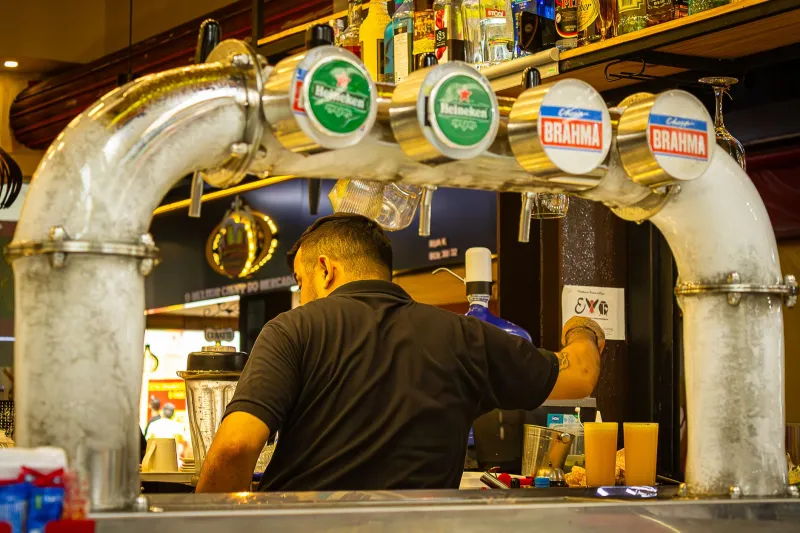
Walk into any bar on a Friday night and within about thirty seconds, the staff has already clocked you. Not in a judgmental way — well, maybe a little — but more in the way a seasoned player sizes up a room. Bouncers, bartenders, and the regulars nursing their usual in the corner have developed a finely tuned radar for who belongs and who wandered in off a Google Maps search.
The good news? None of this is gatekeeping for the sake of it. The "rules" of nightlife etiquette exist because they make the experience better for everyone in the room. The bad news? Nobody tells you what they are. Until now.
We talked to bouncers, bar managers, and the kind of regulars who show up so often they practically get mail delivered there. Here's the honest breakdown of what you're probably getting wrong — and how to move through any city venue like you actually live here.
The Door Is a Transaction, Not a Confrontation
Let's start before you even get inside. The door is where a lot of people immediately blow their cover. Showing up in a group of ten and acting surprised that there's a cover charge? Red flag. Arguing with the bouncer about whether your ID "looks fine" under bad lighting? Bigger red flag.
One door guy we spoke to put it plainly: "The people who give us trouble at the door almost always give us trouble inside. The ones who walk up, have their ID ready, are polite, and move through quickly — those are the people we remember in a good way."
Have your ID out before you reach the front. Know the cover charge if there is one. If you're with a big group, designate one person to handle the conversation. Moving efficiently through the entry process signals to everyone watching that you've done this before.
Stop Camping the Bar Like It's Real Estate
This one is so common it's practically a nightlife pandemic. You get your drink, you feel comfortable at the bar, and you just... stay there. For an hour. While three other people are trying to get a bartender's attention behind you.
The bar is a thoroughfare, not a living room. Get your drink, tip appropriately (more on that in a second), and move into the room. If you want to keep talking to the bartender, find a slower moment — they'll actually appreciate the conversation more when they're not slammed.
A bar manager in the hospitality industry for over a decade described it as "the number one thing that separates someone who respects the space from someone who's just using it." The regulars know to step back. They've learned that the bar is a pit stop, not a destination.
The Tip Is Part of the Ticket Price
If you're at a bar and you're not tipping on every round, you have already made yourself invisible in the worst possible way. Bartenders talk to each other. They remember faces. The person who tipped a dollar on a $22 tab will wait longer for their second drink than the person who tipped five bucks on a $14 one.
Standard is a dollar per drink at a minimum, but $2 per drink is what gets you noticed as someone worth taking care of. At a craft cocktail bar where someone just spent four minutes making your drink? Go higher. At a busy dive where the bartender just cracked open four beers simultaneously? A flat $5 on the first round and you're golden for the night.
This isn't a secret — it's just something people raised on delivery apps with built-in tip prompts have somehow forgotten applies in person too.
How You Move Through a Crowded Room Tells Everyone Everything
Watch how a regular navigates a packed venue versus someone who's new to the space. The regular moves diagonally, angles their shoulders, makes brief eye contact to signal they're passing through, and doesn't stop in the middle of a high-traffic path. The newcomer walks in a straight line, stops abruptly, and turns around without checking who's behind them.
Nightlife spaces have a flow, almost like traffic patterns. The area right in front of the entrance is not where you stop to figure out your plan. The space in front of the DJ booth is for dancing, not standing and watching with your arms crossed. The hallway to the bathrooms is not a place to have a twenty-minute conversation.
Paying attention to how people are using the space and adapting to that rhythm is one of the fastest ways to stop feeling like an outsider.
Don't Order Like You're at a Restaurant
"Can I see a menu?" is a fine question. Spending four minutes studying it while the bartender waits is not. At a busy bar, you have about ten seconds once you make eye contact with the bartender to know what you want. If you're not ready, give a nod that says "one second" and let them move to the next person. They'll come back.
When in doubt, ask for a recommendation with a single piece of direction: "Something not too sweet" or "your best local draft" gets you a drink fast and usually a better one than you'd have picked yourself. Bartenders love being asked for their opinion — it's a compliment to their expertise and it moves the line along.
Know When the Vibe Shifts
Every venue has a natural arc to the night. There's the early crowd, the peak hour, and the late-night stretch when the energy either elevates or starts to drag. Showing up at 9 PM expecting the same energy as midnight is a setup for disappointment. Staying until 1:30 AM when the room peaked at 11:30 and is now just sad overhead lights and a playlist on shuffle is equally rough.
Regulars have internalized these rhythms. They know when a spot is at its best and they plan accordingly. Ask the bartender or check the venue's social media to get a feel for when things actually get going — most places are happy to tell you.
The Simplest Rule Nobody Follows
Be a good guest in someone else's space. The venue, the staff, the regulars — they've built something together over time, and you're walking into the middle of it. A little awareness, a little generosity, and a willingness to follow the room's lead will get you further than any insider tip.
The city's nightlife isn't a performance put on for visitors. It's a living thing that runs on mutual respect between the people who work there and the people who show up. Once you understand that, every room gets easier to read — and a whole lot more fun to be in.