Block by Block: Ranking the City's Neighborhoods by Who's Actually Winning Right Now
Let's be honest: the neighborhood conversation in most cities is way overdue for a reality check. The same three districts get name-dropped in every "best of" list, while genuinely exciting areas fly under the radar. Meanwhile, some once-beloved spots are quietly coasting on reputation alone.
At City543, we dug in. We looked at foot traffic patterns, new business openings, average cost of a night out, walkability scores, and something a little harder to quantify — the energy you feel when you actually show up on a Friday night. Here's how things stack up.
How We Scored Things
Before we get into it, here's the framework. Each neighborhood got evaluated across five categories:
- Walkability — Can you actually get around without a car or a $25 rideshare?
- Emerging Venues — New bars, restaurants, pop-ups, and event spaces that opened in the last 18 months
- Affordability — What does a solid night out actually cost?
- Safety & Accessibility — Well-lit streets, active foot traffic, transit access
- Community Energy — The vibe. The mix of people. Whether it feels alive or like a movie set
We're not naming specific cities here — because honestly, this playbook applies pretty much everywhere in the US right now. You'll recognize your city in this.
Tier 1: The Neighborhoods Actually Earning Their Reputation
The Up-and-Coming Arts District
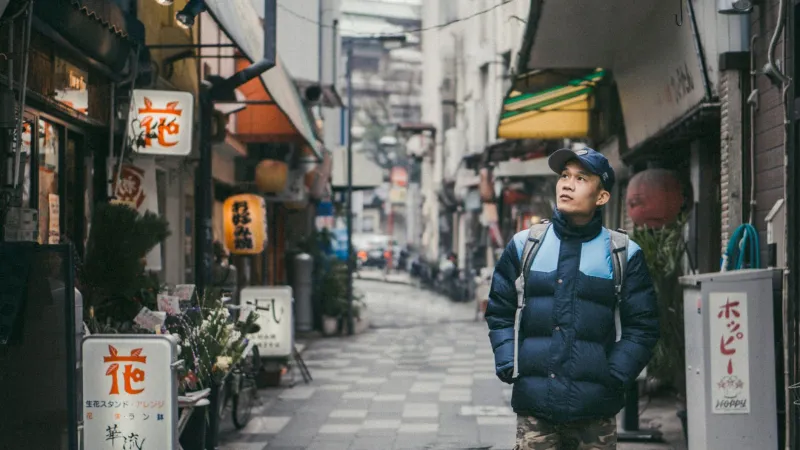
Every city has one, but not every city's version is still worth the trip. The ones that are winning right now share a few things in common: they still have independent venues that haven't been bought out by hospitality groups, the restaurant scene skews eclectic rather than trendy, and you can walk from a gallery opening to a dive bar to a late-night taco spot without thinking twice.
Walkability is almost always high here. Affordability is still decent — though it's slipping in cities where gentrification is moving fast. The community energy? When it's good, it's genuinely electric. Local artists, regulars who actually know each other, events that feel like they were planned by someone who lives there.
City543 Verdict: Worth your time and your money. Go on a Thursday if you want the real version before the weekend crowds dilute it.
The Underrated Transit Hub Neighborhood
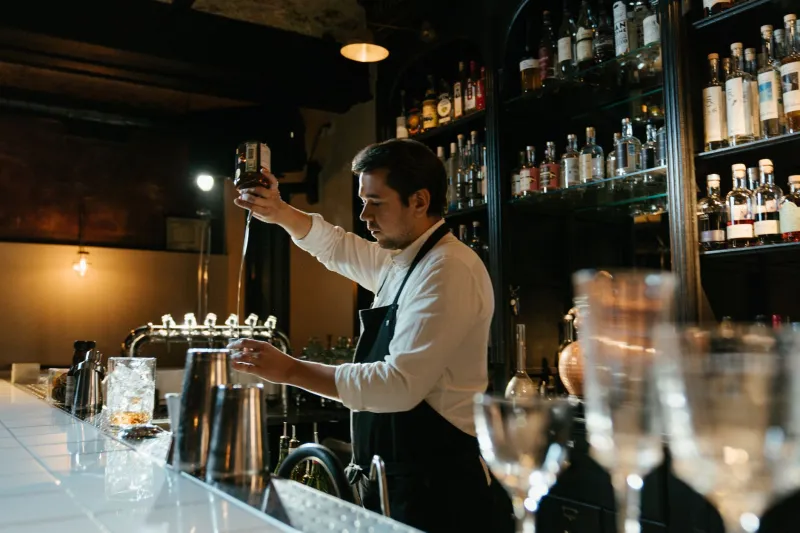
This one surprises people every time. The neighborhood built around a major transit stop — the one that everyone passes through but rarely stops in — is quietly becoming one of the best nights out in a lot of cities right now. Rent is lower, which means operators can take risks. That translates to more interesting concepts: cocktail bars with actual personality, restaurants run by people who care about the food more than the Instagram moment, live music venues that book local acts.
Affordability scores are high. Walkability, by definition, is solid. Safety varies — do your homework on your specific city — but foot traffic from transit tends to keep things active.
City543 Verdict: Stop sleeping on this one. It's where the interesting stuff is happening.
Tier 2: Solid but Overhyped
The Famous Nightlife Strip
You know the one. It's in every city. It's loud, it's busy, and it photographs beautifully. It also charges $18 for a well drink and has a cover charge at venues that absolutely do not warrant one.
Don't get us wrong — there's a reason people go. The energy is real, the crowds are big, and if you want a guaranteed night out with a group of people who all want the same thing, it delivers. But the walkability often peaks and then drops into a weird dead zone. Affordability is low. And community energy? It's more of a tourist and college crowd energy than anything rooted in the actual city.
City543 Verdict: Go once. Don't make it your default.
The Brunch-Famous Neighborhood
Great on a Sunday morning. Increasingly mediocre on a Saturday night. A lot of neighborhoods that built their identity around daytime dining and weekend brunch culture haven't successfully translated that into a compelling evening scene. The restaurants are good. The bars feel like an afterthought. And because the area markets itself so heavily to a specific demographic, it can feel a little homogenous.
City543 Verdict: Keep it for brunch. Explore elsewhere after dark.
Tier 3: Tourist Traps Wearing a Local Costume
The "Historic" District
History is great. Paying $22 for a mediocre cocktail in a building that used to be a bank is not. Historic districts in American cities have a serious problem right now: they've been so thoroughly optimized for visitors that they've lost whatever made them interesting to locals in the first place. The venues are polished. The menus are safe. The staff are friendly in that scripted way.
Locals know to avoid it on weekends entirely. If you're visiting a city, it's fine for a quick look around. But don't mistake it for where the city actually lives.
City543 Verdict: A photo op, not a destination.
The Real Winner: Whichever Neighborhood Still Has Something to Lose
Here's what we kept coming back to in this whole exercise. The neighborhoods that actually have the best vibe right now are the ones where the stakes still feel real. Where a restaurant that opened six months ago is genuinely trying to survive. Where the bar down the street is run by someone who grew up nearby. Where the events aren't produced by a marketing department.
That scrappiness — that sense that something is still being built — is what makes a neighborhood worth spending your night in. The polished, optimized, fully-arrived districts have their place. But if you want to feel like you're actually inside the city rather than watching a version of it designed for consumption, look for the edges. Look for the places that haven't been fully discovered yet.
City543 exists to help you find exactly those places. Stay tuned — we're mapping them out, neighborhood by neighborhood.