Plan the Night, Own the Night: Your Pre-Game Strategy Guide

Spontaneity gets a lot of credit it doesn't deserve. Ask anyone about their best night out and they'll describe it like it just happened — like the city conspired to deliver the perfect sequence of events without any input from them. But pull back the curtain on those stories and you almost always find someone who did a little homework. Someone who looked at a map. Someone who knew what time the kitchen closed.
Planning a night out isn't the opposite of fun. It's the foundation that lets the fun actually happen. And the gap between a genuinely great night and a mediocre one is usually somewhere in the pre-game phase — those thirty minutes before anyone gets in the car or calls an Uber.
Start With the Shape of the Night
Before you look at a single venue, decide what kind of night you're building. This sounds obvious, but most people skip it and end up improvising in real time, which is how you end up at a packed sports bar when you were hoping for something low-key, or at a quiet wine spot when the group wanted energy.
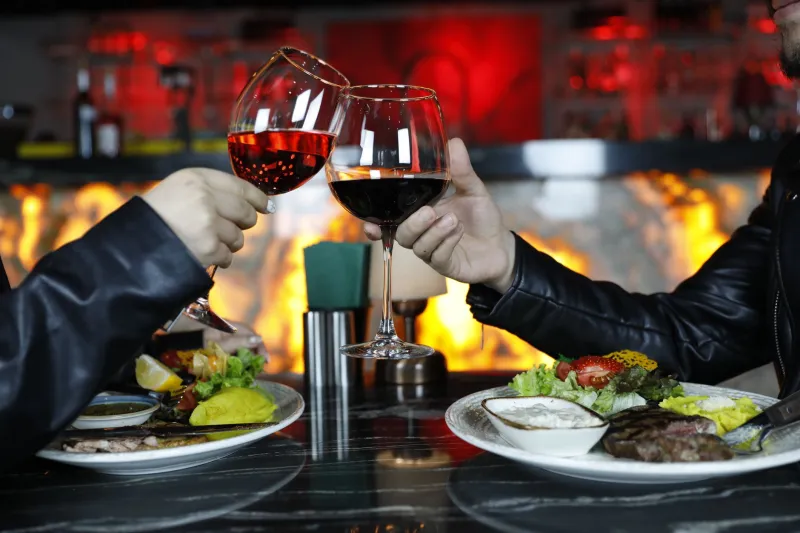
Think in terms of arc. Do you want something that builds — starting quiet and getting louder as the night progresses? Or do you want to peak early, hit a lively spot while everyone has energy, then pull back somewhere chill for the late hours? Is this a two-stop night or a four-stop night? Is food the anchor or an afterthought?
Answering these questions before you open a single app saves you an enormous amount of friction later. You're not locking yourself in — you're giving the night a shape to follow or deviate from, which is completely different from winging it.
The Timing Stack
This is where most planning falls apart. People pick venues without thinking about when those venues make sense, and the night becomes a series of missed windows.
Every bar, restaurant, and venue has a rhythm. Happy hour dies at 7. The kitchen closes at 10. The DJ doesn't start until 11. The rooftop fills up by 9:30 on Fridays and you won't get a table after that. Knowing these windows isn't obsessive — it's the difference between sliding into a great moment and showing up twenty minutes after it ended.
Build your timing stack by working backward from the night's peak. If you want to be at your main spot at 10 PM with energy to spare, you need to eat by 8, which means leaving the first bar by 7:45, which means arriving at the first bar no later than 6:30 if you want to actually settle in and enjoy it.
This backward-building method also reveals something useful: how much time you actually have. A lot of nights fail because people leave the house late and compress everything, which means rushing through dinner and arriving at the main event already tired. The timing stack makes that visible before it happens.
Reading the Room Before You Arrive
Social media has made it genuinely possible to take the temperature of a venue before you walk in, and not enough people use this.
Most active bars and restaurants have Instagram stories going on weekend nights. Check them. A venue that's posting at 9 PM is either showing you a full, energetic crowd or a suspiciously empty one. Both are useful information. Look at the most recent tagged posts at the location — people posting from inside a bar are usually doing it within a few hours of the moment, which gives you a real-time read on vibe and crowd density.
Google's Popular Times feature is underused and genuinely helpful. It shows historical crowd data by hour and day, plus a live overlay when available. It won't tell you whether the crowd is your crowd, but it'll tell you whether there's a crowd at all — which matters if you're trying to arrive before the line forms or after it dies down.
For restaurants with reservations, OpenTable and Resy availability is its own kind of signal. If a Friday 8 PM slot is still open at noon on Friday, either the restaurant has capacity to spare or something is off. If everything is gone until 10:30, you know you're dealing with a high-demand situation and should book early or build in a backup.
The Route Logic
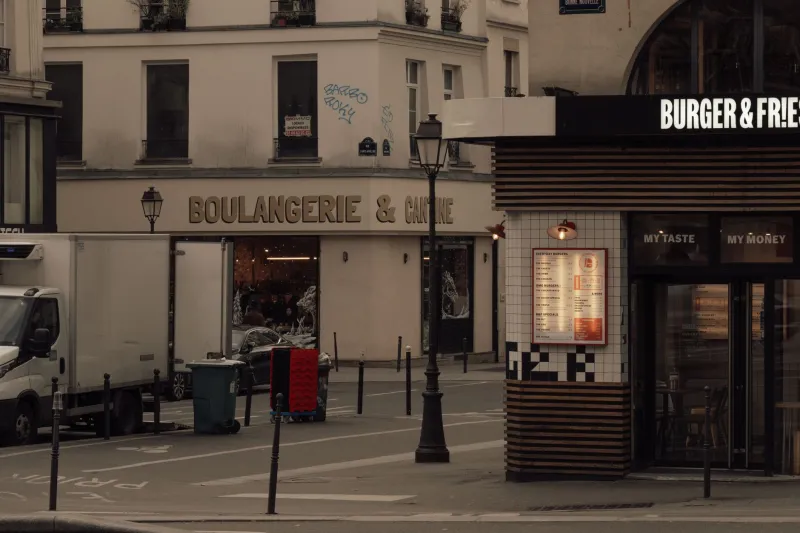
Venue-hopping is an art form, and geography is the medium. The single biggest mistake in multi-stop nights is building a route that requires backtracking or long rides between stops. Energy is finite. Every unnecessary Uber ride is a small withdrawal from the night's account.
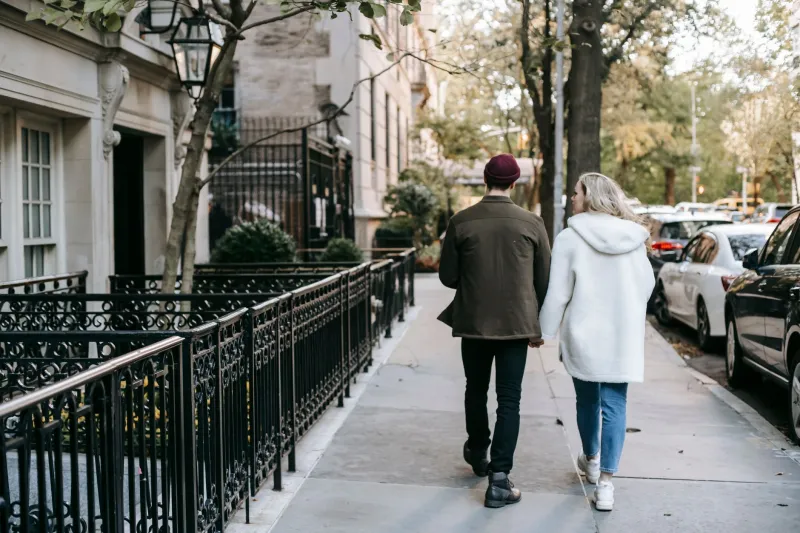
Map your stops before you commit to them. In most cities, the best nights follow a geographic logic — you move through the city in one general direction rather than zigzagging across neighborhoods. Start in one area, migrate toward another, let the night have movement that feels natural rather than logistically chaotic.
Also think about venue size in sequence. Starting at a small, intimate spot and moving to something larger as the night progresses tends to work well — you build connection early when it's quiet, then bring that energy into a bigger room. Doing it in reverse often falls flat: the big venue early can feel overwhelming before the group has warmed up, and the quiet bar late can kill momentum you spent hours building.
Build In the Escape Hatch
Every good plan has a contingency. The spot you were counting on is inexplicably closed. The reservation you made got lost. The vibe is completely wrong and everyone knows it within five minutes of arriving.
Have one backup for each major stop. Not a full alternative plan — just a name and an address you can pivot to without a twenty-minute group deliberation on the sidewalk. The backup doesn't need to be as good as the original. It just needs to exist, so that when things go sideways (and sometimes they do), you're moving instead of stalling.
The Part That Actually Makes It Spontaneous
Here's the counterintuitive payoff of all this: a well-planned night creates more room for genuine spontaneity, not less.
When you're not burning mental energy figuring out where to go next, you can actually be present where you are. When the timing works, you're not rushing. When the route makes sense, you're not stressed about logistics. The planning handles the infrastructure so the night can breathe.
The best moments — the ones that feel unscripted and electric — tend to happen inside well-structured nights, not in spite of them. Someone you meet at the second stop who ends up joining the rest of the evening. The detour you take because you walked past something that looked interesting and you had enough time to check it out.
That's the real goal. Not a perfect night executed exactly as planned, but a night with enough structure that the good surprises have somewhere to land.
Get the blueprint right. Then let the city do the rest.