How to Love a Neighborhood While You Still Can
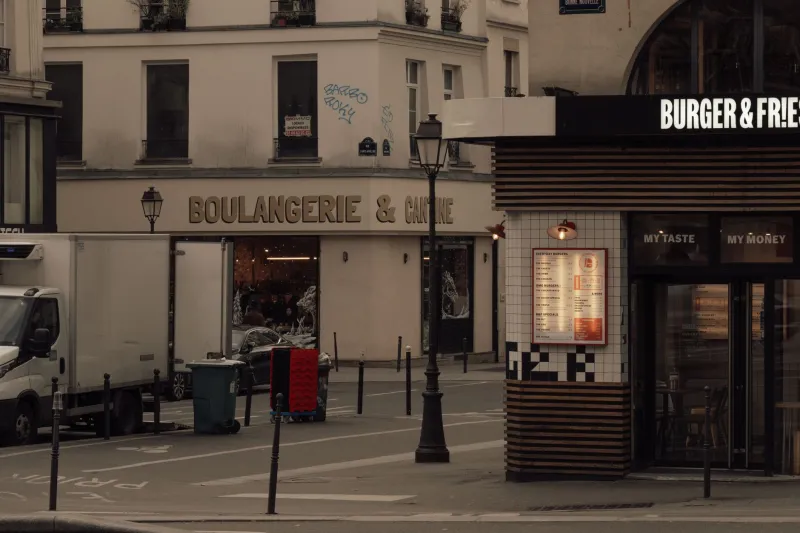
There's a particular kind of afternoon that only exists in certain parts of certain cities. A block where the old hardware store is still open, the new wine bar just put up its sign, and a group of kids are doing something on the corner that has nothing to do with either of those things. It smells like food from somewhere you can't quite identify. The sidewalk is uneven. There's a church somewhere nearby.
That afternoon has an expiration date, and most people don't show up until after it's passed.
This is a guide to showing up earlier.
What Neighborhood Change Actually Looks Like
Gentrification is a word that carries a lot of weight, and it should. But for the purposes of navigating your city, it helps to think of it less as a political verdict and more as a process — one with identifiable stages that, if you know how to read them, tell you a lot about where to find something real.
The earliest signs are almost never the coffee shop everyone talks about. They're subtler. A building that's been vacant for years gets a fresh coat of paint but no tenant yet. A longtime resident mentions that their property tax assessment came back higher than expected. A small gallery opens in a space that used to be a laundromat. An architect moves into the neighborhood.
"The creatives always come first," says one longtime community organizer in a Midwestern city who has watched several neighborhoods cycle through transition over the past two decades. "They find the cheap rent and the interesting bones. And then two years later, the people who want to be around creatives move in, and suddenly it's not cheap anymore."
By the time a neighborhood has its own hashtag and a listicle on a national travel site, the transition is largely complete. What you're experiencing at that point is the curated version — the version that survived, scaled, and learned to perform for visitors.
The good stuff is earlier.
The Signals Worth Paying Attention To
If you want to find neighborhoods mid-transition rather than post-transition, you need to learn a different kind of reading.
The restaurant math. A neighborhood that still has a 1:5 ratio of legacy businesses to new arrivals is in a different place than one that's flipped. Walk a block and count the spots that have been there more than ten years versus the ones with brand-new signage. The closer to even that ratio gets, the further along the transition is.
The weekend vs. weekday gap. Neighborhoods in early-to-mid transition often have a pronounced gap between how they feel on a Tuesday versus a Saturday. On weekdays, the longtime residents are living their lives. On weekends, the new crowd shows up. If you're looking for authentic experience, Tuesday is your friend.
The parking behavior. This sounds strange, but pay attention to where people park and how long they stay. In neighborhoods that have fully gentrified, parking is scarce and people are in and out — destination dining, quick visit, gone. In transitional neighborhoods, you still see people parked on the block for hours because they live there. That mix of residential and visitor energy is worth something.
The second-generation immigrant business. One of the most reliable markers of a neighborhood worth exploring is the presence of family-owned businesses run by second-generation immigrants — people who grew up in the neighborhood and opened something of their own. These spots tend to be exceptional because they're built on actual community knowledge, not market research.
What You're Actually Looking For (And Why It Matters for a Night Out)
We should be honest about something: this isn't just an intellectual exercise. We're talking about where to eat, drink, and spend a night out in your city — and transitional neighborhoods consistently offer some of the best options precisely because they haven't been optimized yet.
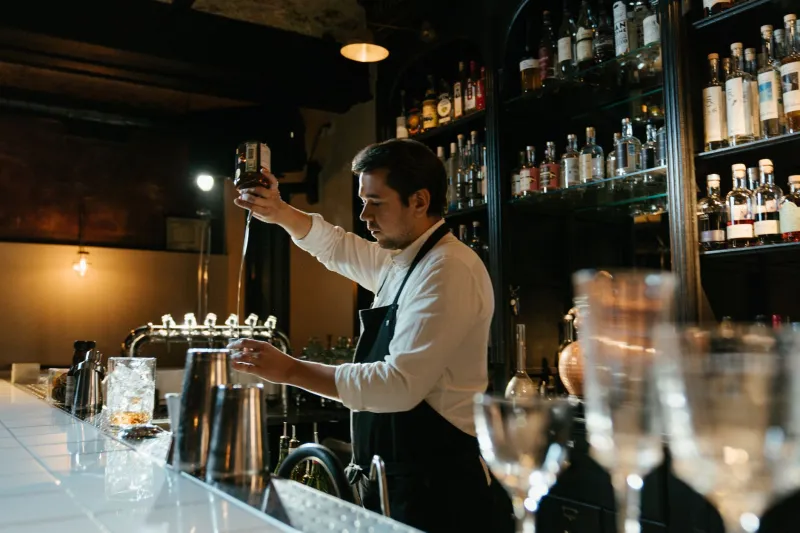
The restaurant that's been there for thirty years hasn't raised its prices to match the new wine bar next door. The bar that's been a neighborhood institution doesn't have a curated cocktail menu yet, but the bartender has been making the same drink for the same regulars for fifteen years and it's perfect. The music venue that books local acts because national acts don't know it exists yet — that's the one that becomes the story you tell later.
"People always ask me when we're going to 'upgrade," says the owner of a Mexican restaurant in a transitional neighborhood of a major Southern city. She's been open for eleven years. "I tell them we upgraded when we got the new refrigerator. The food is the same. That's the upgrade."
For a date night, specifically, these neighborhoods offer something that polished destinations often can't: genuine surprise. You don't know exactly what the night is going to look like when you start it. The taco spot leads to the bar around the corner leads to the outdoor space behind the bar that you didn't know existed. That kind of night doesn't happen on a block that's been fully curated for consumption.
How to Engage Without Being the Problem
This is the part that matters, and it's worth saying directly.
Showing up in a transitional neighborhood as an explorer is fine. Showing up as a colonizer — treating it as a backdrop for your content, complaining about the parking, or loudly comparing it to what you wish it were — is not. The difference is mostly about orientation. Are you there to receive what the neighborhood is offering, or are you there to extract something for your own purposes?
Practically, this means: eat at the old spots, not just the new ones. Tip well everywhere. Don't take photos of people without asking. Don't post the location of the spot you just found if the owner clearly doesn't want the attention. Ask the person behind the counter how long they've been there. Listen to the answer.
"I don't mind people discovering us," says the owner of a Caribbean takeout spot that's been operating in the same location for over two decades. "I mind people acting like they discovered us. We've been here. Come in, eat the food, come back."
The Practical Itinerary
If you want to build a night around this idea, here's a loose framework that works in almost any city:
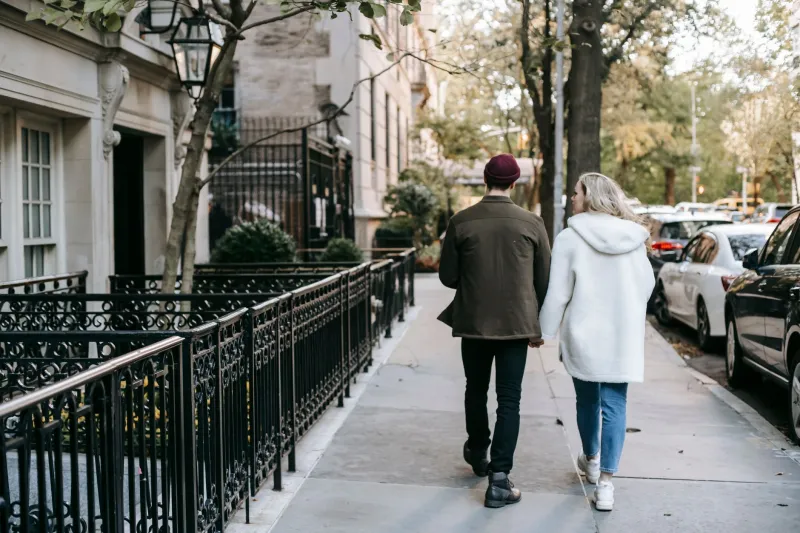
Start with a walk before dinner. Arrive in the neighborhood an hour before you plan to eat and just move through it on foot. Notice what's there. Note what looks interesting. Let the place orient you rather than the other way around.
Eat somewhere that's been there at least a decade. Ask the host or bartender what else is worth doing nearby. The recommendations you get from someone who lives and works in the neighborhood will be more useful than anything on a top-ten list.
End the night somewhere that doesn't show up in the first three pages of search results. If you can't find a review of it published in the last six months, you're probably in the right place.
The city is always becoming something. The question is whether you're paying attention to what it is right now.